The job leaves signals before it leaves consequences.
ResiliencyMD shows chiefs and wellness leaders how schedules, sleep loss, pain, physical demand, repeated exposure, and inadequate recovery shape the people responsible for public safety.
A serious wellness strategy measures the work, protects personal information, improves access to recovery, and tracks outcomes the department already manages.
DecisionsInjuryAbsenceOvertimeRetention
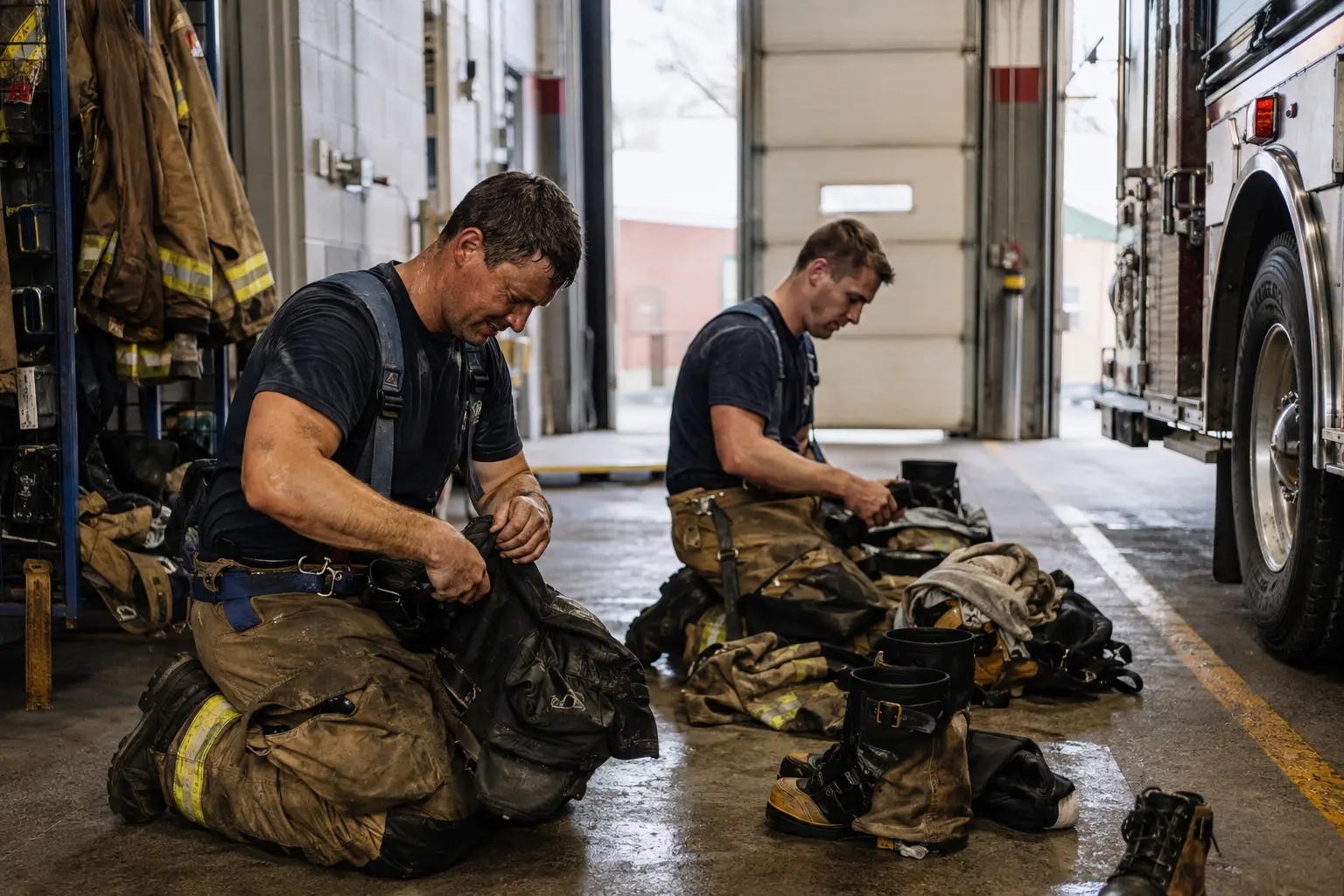
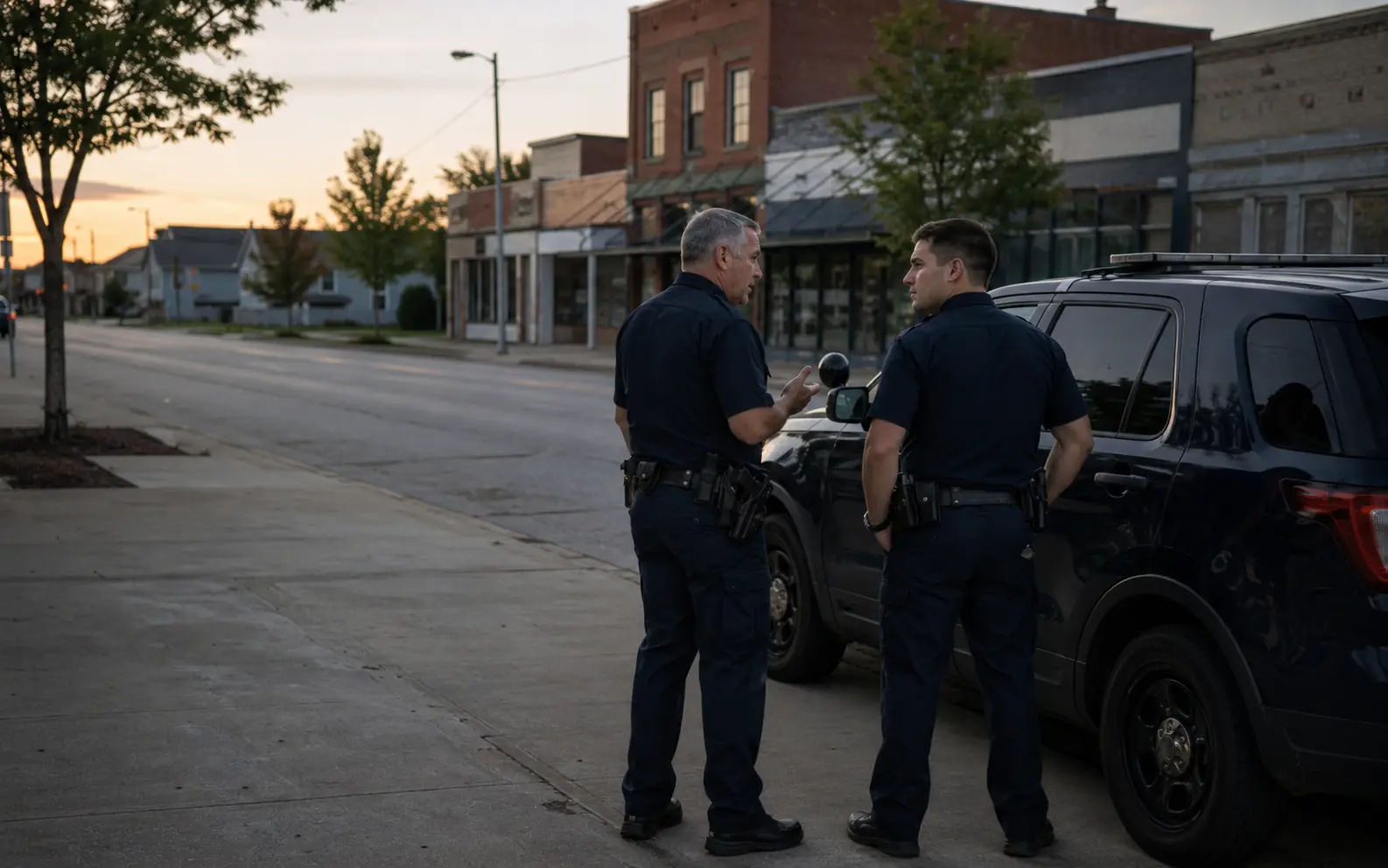
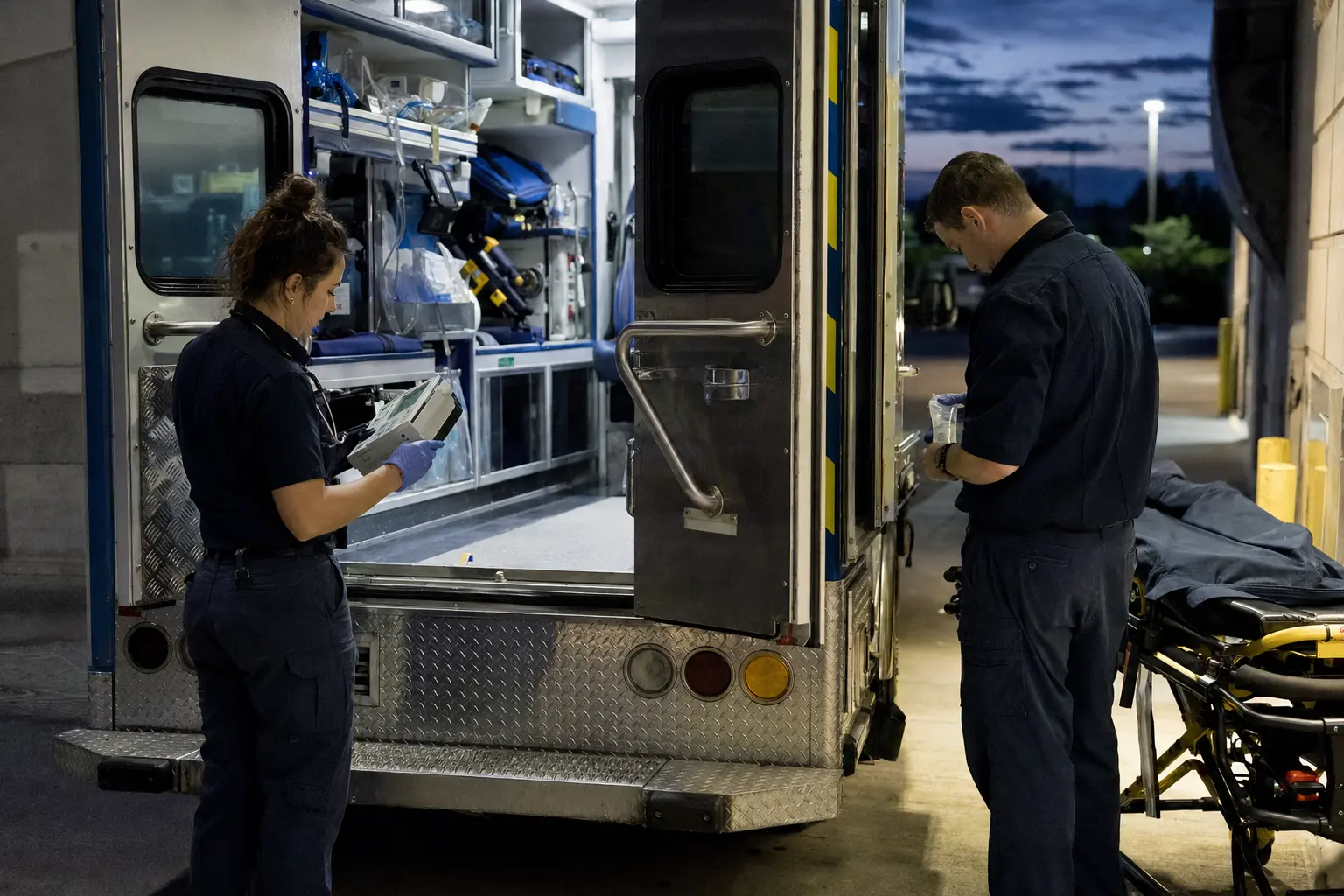
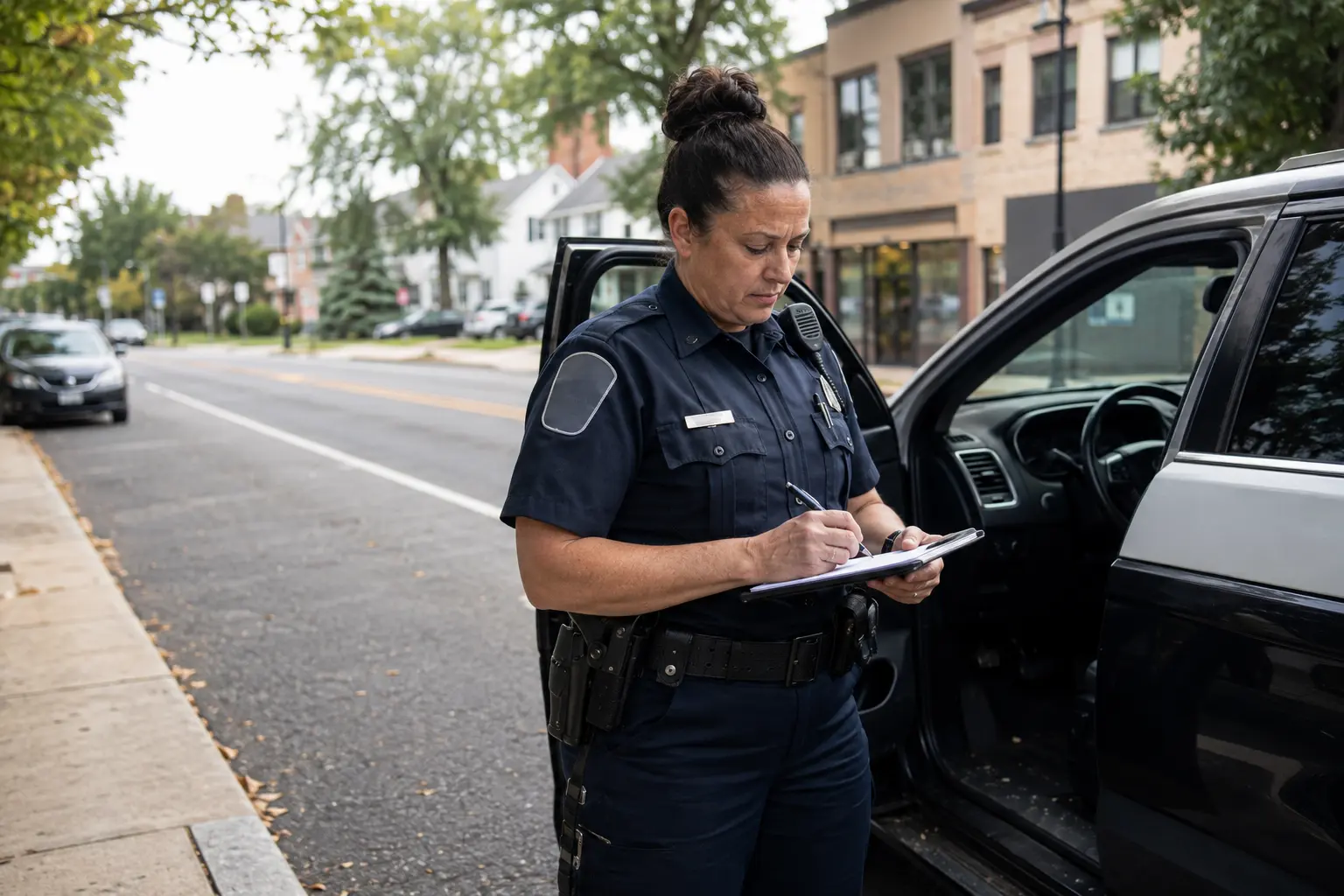
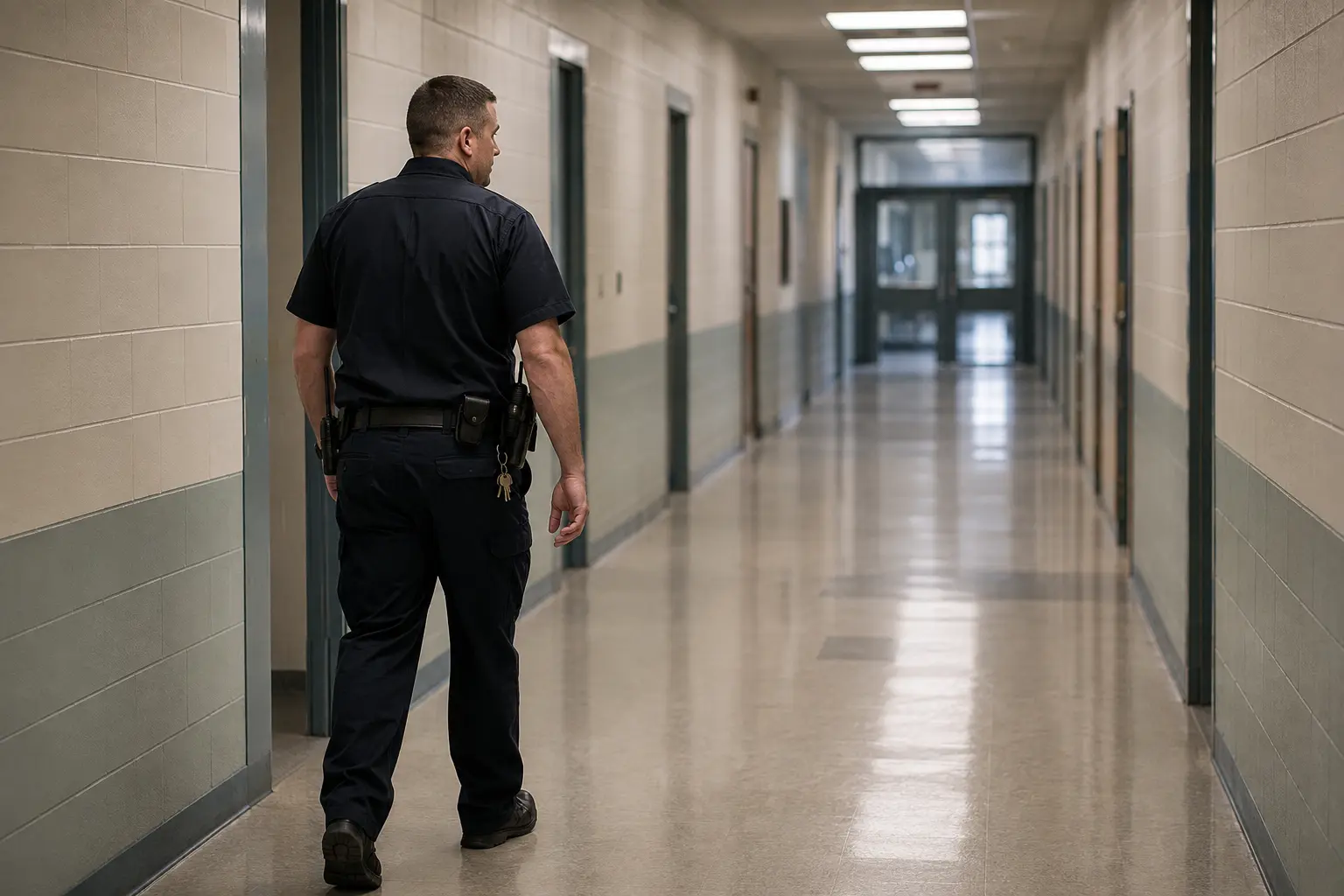
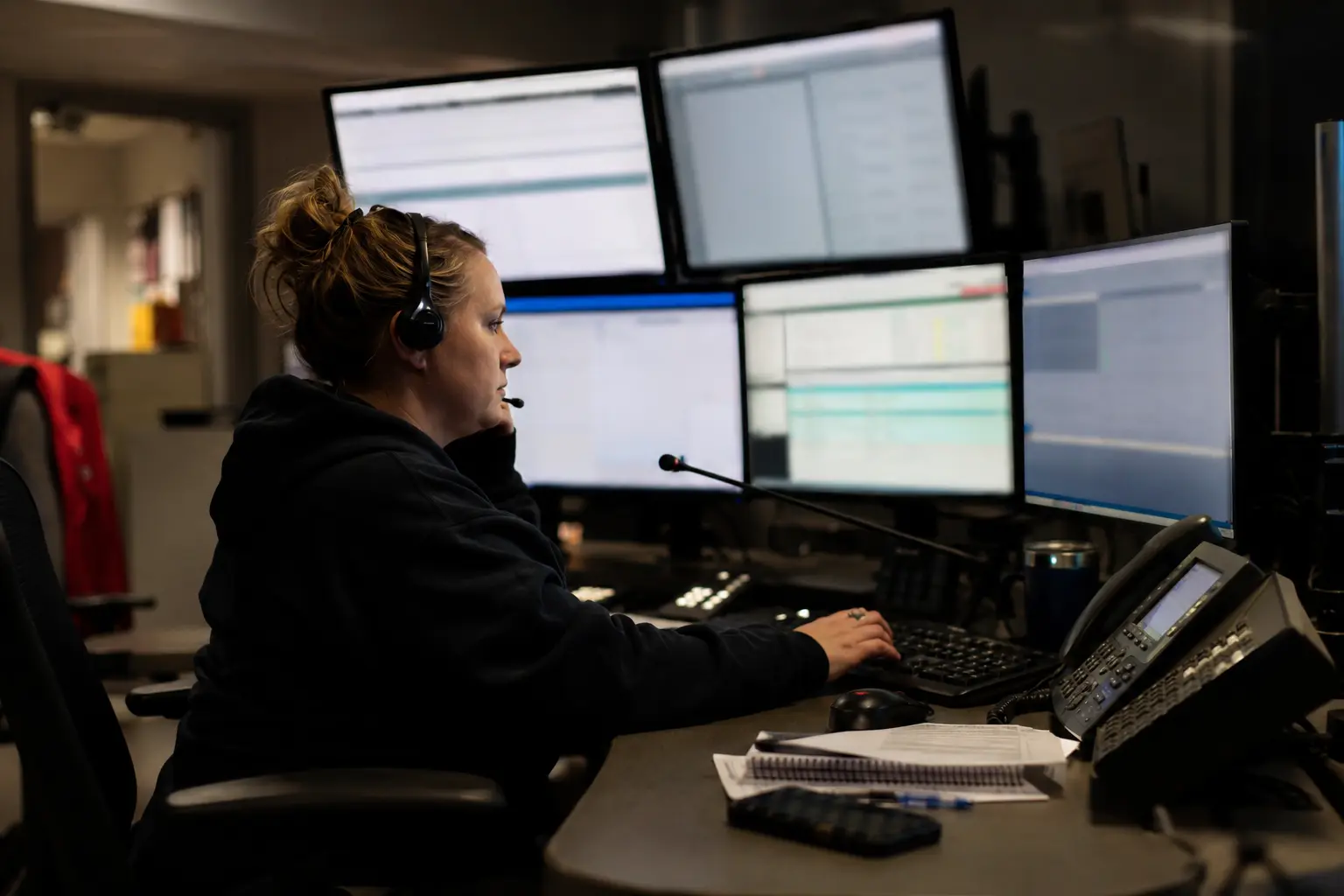
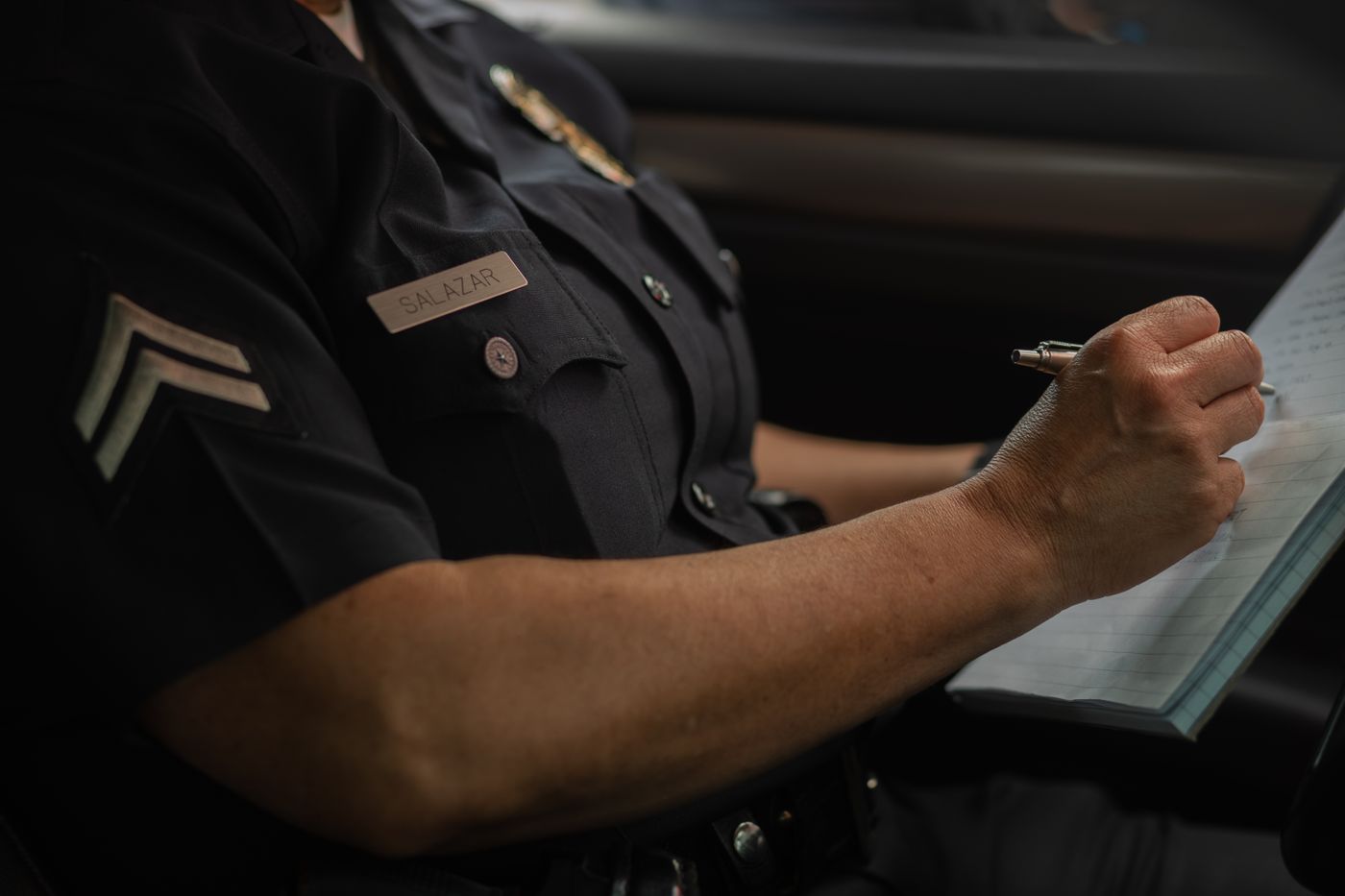
Large-city municipal patrolThe work changes block by block, call by call, and shift by shift.Representative municipal settingMunicipal fire serviceRecovery begins in the minutes between calls.Representative municipal settingSmall-department policingA small squad carries the same work with fewer people to absorb it.Representative municipal settingEmergency medical servicesReadiness has to survive the next dispatch, handoff, and overnight shift.Representative municipal settingSuburban municipal patrolDocumentation and judgment continue after the scene is clear.Representative municipal settingCounty correctionsReadiness also has to hold inside a closed, continuous-duty environment.Representative county settingTraffic and motor unitDifferent assignments create different physical and cognitive demands.Representative municipal settingPublic-safety communicationsThe first response often begins before anyone reaches the scene.Representative municipal settingPatrol documentationThe cognitive work continues after the immediate call is over.Documentary image: Kindel Media / Pexels
Responder field views
Author and issuerEdward Ratush, MD
PurposeEvidence and operational guidance for first-responder readiness
Sleep and fatigue are one well-documented part of the system.
Published police, fire, and EMS samples associate positive sleep-disorder screens or fatigue criteria with safety, performance, injury, crash, and absence outcomes. These are group findings—not diagnoses, national prevalence estimates, or individual forecasts.
PolicePublished responder study
40.4%
screened positive for at least one sleep disorder
4,957 officers · North America · 2005–2007 cohort
Positive screening was associated with higher adjusted odds of several self-reported safety and performance problems during follow-up.
The job changes the conditions under which people have to perform.
Wellness becomes operational when leadership can follow the path from job demands, to human response, to consequences already recorded by the department.
01 · The work
Load accumulates.
Extended hours, night work, physical demand, injury, pain, critical incidents, and organizational pressure.
02 · The person
Capacity changes.
Sleep opportunity, alertness, reaction time, emotional control, pain, physical function, and recovery can change.
03 · The record
Consequences appear.
Injury, restricted duty, absence, overtime, crashes, defined errors, turnover, disability, and cost.
Track sleep, fatigue, pain interference, physical function, support access, and protected group-level trends.
03
What can leadership change?
Use schedule, staffing, policy, supervisor practice, care access, physical recovery, and post-incident support.
04
Are outcomes improving?
Review injury, restricted duty, absence, overtime backfill, crashes, defined errors, retention, trust, and cost.
Documentary image: Kindel Media / Pexels
Judgment under real conditions
Fatigue changes the margin around a critical decision.
NIJ researchers explain how sleep deprivation and fatigue affect attention, driving, and use-of-force decisions—and why departments need an operating response.
See the work, the human response, and the outcome together.
No single survey, wearable, score, or administrative record tells the full story. The layers become useful when they are examined together.
01
Work conditions
Shift length, overtime, night work, turnaround time, call load, critical incidents, heat, exertion, physical demand, and administrative pressure.
02
Human response
Sleep, fatigue, pain interference, physical function, mood, attention, recovery, and selected biological estimates interpreted in context.
03
Support access
Time to reach sleep, pain, physical recovery, mental-health, confidential substance-use, peer, family, and urgent resources.
04
Operational outcomes
Injury, restricted duty, absence, overtime backfill, crashes, defined errors, turnover, disability, and cost.
A useful biological signal
Context turns a number into information.
Selected physiological and sleep estimates may add longitudinal information. They should be compared with the responder's own reference, then read alongside schedule, illness, exertion, pain, symptoms, and function.
Command sees the operating system. Responders control personal wellness information.
Schedules, workload, service access, and safely aggregated outcomes can guide leadership. Personal trends, screens, referrals, diagnoses, and clinical conversations stay in the protected support system.
Individual wellness information
ProtectedPersonal trendsScreens and symptomsReferral and careResponder-facing · restricted access
Privacy firewall
Organizational information
ActionableSchedules and workloadService capacity and accessProtected group outcomesNo individual wellness record
Measure the work. Protect the person. Improve the system.
The goal is not more wellness activity. It is earlier action on the conditions that affect health, judgment, recovery, and the department's ability to serve.